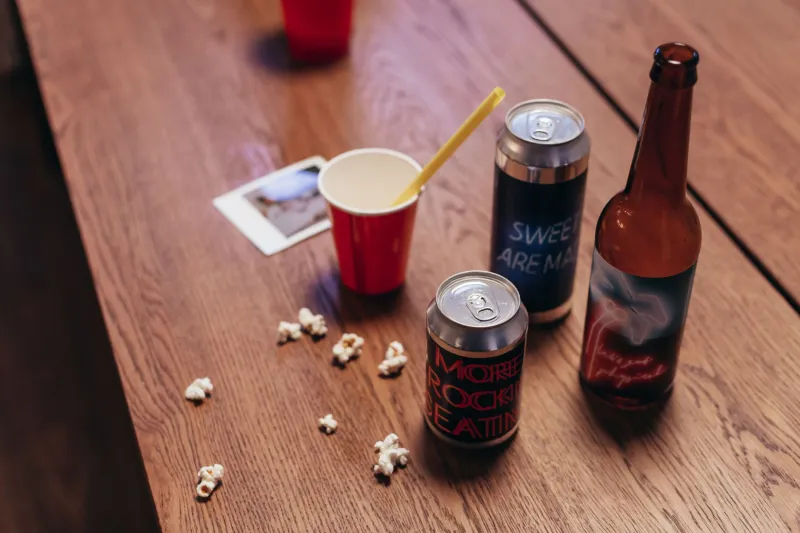
Cold Nights, Black Beer: Why Phoenix Stouts and Porters Belong on Your 2026 Winter Table
There's a line you hear every November in Phoenix, usually from someone in shorts on a patio: this is a pale-ale town. Crisp, light, easy, done.
And look — for most of the calendar, that's not wrong. When it's 112 degrees in July, nobody in their right mind reaches for an imperial stout. The beer list at any Roosevelt Row bar tells the story: pilsners, lagers, hazy IPAs, anything that drinks like a cold hose.
Then December shows up. The sun drops behind Camelback around 5:20, patio heaters get dragged out of storage, and the overnight lows slide into the 40s. That's stout weather. That's porter weather. It's the kind of weather where a dark, roasty pour tastes like it was engineered for the exact moment you're standing in.
So here's the argument: Phoenix isn't a pale-ale town that tolerates dark beer. It's a dark-beer town that spends nine months in disguise.
The taps know before we do
Ask anyone who runs a taproom in the Valley and they'll tell you the same thing. Dark beer sells in whispers from April through October, then all at once in December — the way soup sales behave. A brewery that keeps one stout on year-round will suddenly put three on nitro and add a barrel-aged release for the holidays.
What makes Phoenix dark beer interesting isn't that it copies the Pacific Northwest or the Midwest. It's that brewers here lean into ingredients that actually grow nearby. Mesquite-smoked malt. Cocoa nibs from small Arizona chocolate makers. Medjool dates out of the Yuma area. Piloncillo and cinnamon showing up in winter releases where a Chicago brewery would use maple. You get roast and sweetness with a distinctly Sonoran accent, and it's not something you can buy in a gift pack at the airport.
Three dark pours worth clearing space for
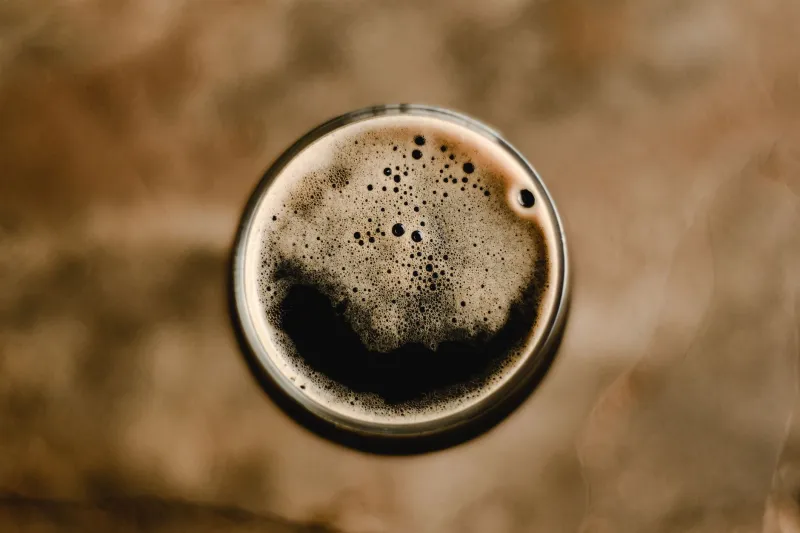
The oatmeal stout. Local oatmeal stouts tend to land around 5.5 to 6 percent, and that's the right call. Expect cocoa nib and cold-brew coffee up front, a rounded oat-cream texture in the middle, and a finish that stays dry instead of sugary. This is the gateway dark beer for the friend who swears they hate stout. Serve it at about 50 degrees, not ice cold — you'll lose half the aroma otherwise.
The pecan porter. Brown malt does the heavy lifting here, giving you toasted pecan, molasses, and a little dried cherry. The best local versions keep the roast gentle enough that a second pint is easy. Somewhere around 6.5 to 7.5 percent is the sweet spot, and the carbonation should be soft, almost cask-like if it's on nitro.
The barrel-aged winter release. This is the December showpiece — imperial stout aged in whiskey barrels, often with dates or cinnamon added, clocking in somewhere north of 10 percent. Look for dark chocolate, vanilla, a little coconut from the oak, and warmth that lingers. Buy a bottle to share, not to finish alone. These are also the bottles that reward a year in a cool closet, if you have the patience.
One more worth mentioning: mesquite-smoked dark ales. They're a love-it-or-leave-it style, and the smoke reads more like campfire than barbecue when it's handled well. Split a pour with someone before committing to a full glass.
Pairing through a Sonoran holiday table
Dark beer is a better food beer than its reputation suggests, mostly because roast and residual sweetness handle fat and spice without flinching.
- Tamales (green chile and cheese, or pork in red sauce): an oatmeal stout. The creaminess cools the chile, and the cocoa note plays nicely with masa.
- Posole: a brown porter. Gentle roast, enough body to stand up to hominy and broth.
- Carne asada or roast pork: a hoppier American stout, where the bitterness cuts through char and fat.
- December citrus — and yes, Arizona citrus season is real: a dark ale brewed with orange peel is the obvious move, and it works.
- Pecan pie: the barrel-aged imperial. It sounds like too much. It isn't.
- Aged cheddar or a nutty manchego: any of the above. Salt and roast are natural allies.
Skip the pairing charts and remember one rule: match the weight of the beer to the weight of the food. A 12-percent barrel-aged stout will steamroll a salad. Put it next to the brisket instead.
A one-evening dark-beer route
If you're building a winter beer list this month, do it on a single Saturday rather than spreading it across five weekends. Three stops is the right number — enough variety, no driving fatigue.
Start midafternoon in the Melrose District, where the taprooms are small enough that the bartender will actually talk you through the barrel program. Order a flight: oatmeal stout, porter, and whatever's on nitro. Buy cans to go before you leave, because the good small-batch stuff doesn't survive the week.
Next, head toward downtown and Roosevelt Row. This is the stop for the weird one — the smoked ale, the stout with chile, the dark beer with an ingredient list you didn't expect. Grab a snack from whatever food truck is parked outside and sit on the patio under a heater.
Finish in Arcadia or near the canal, somewhere with a fireplace or at least a decent windbreak. This is where the barrel-aged bottle comes out. Split it three ways, order something grilled, and call it a night.
A few practical notes for desert drinkers: don't leave bottles in a hot car, even in December — a sunny dashboard will ruin them faster than a summer afternoon. Store dark beer somewhere that stays between 50 and 60 degrees. And pour into a tulip or a snifter rather than a pint glass; the narrow rim concentrates all that chocolate and dried fruit you paid for.
The patio heaters are already out. Go drink something dark.