The Invisible Ingredient: How Phoenix Water Makes a Pint Taste Like Home
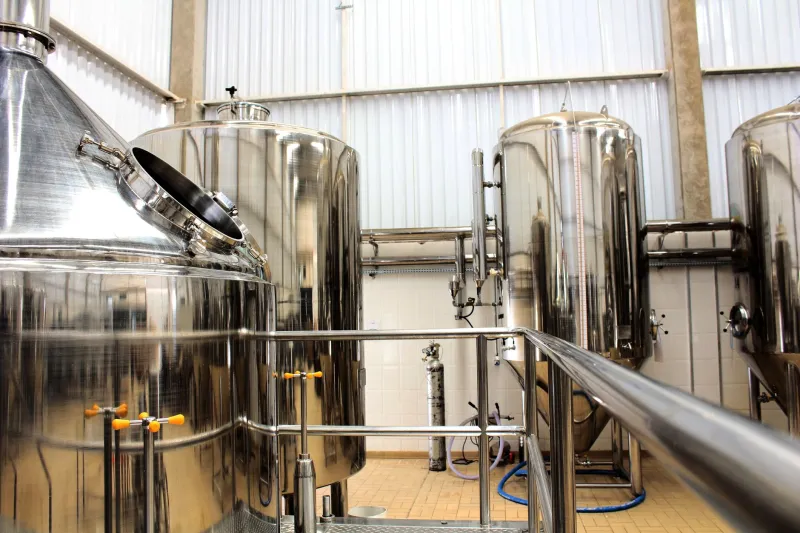
Ask a Phoenix brewer what makes a local ale local and you will hear about malt bills, hop contracts, yeast pitches, maybe the person who scrubs the mash tun. Sooner or later, though, the conversation turns to the least glamorous ingredient in the room. Water is most of every pint—roughly nine-tenths by volume—and in the desert it is never a blank canvas. It arrives with a history: snowmelt, river diversions, groundwater, treatment plants, and the minerals that survive the trip to the brewery.
The Desert Does Not Pour a Blank Canvas
Phoenix drinking water is a blend. Depending on the day, the season, and the part of the Valley, it can include Colorado River water delivered through the Central Arizona Project, Salt River Project surface water, and groundwater. That blend is treated to be safe and consistent for drinking, but it is not the same as the soft, low-mineral water that many brewing textbooks assume. Hardness and alkalinity can shift. Calcium, magnesium, sulfate, chloride, and bicarbonate all show up in the glass before the grain does.
That matters because brewing water is not just background. It sets the mash pH, influences how enzymes convert starch, affects yeast health, and changes how bitterness and malt are perceived. A pale ale brewed with one water profile can taste snappy and dry; the same recipe with another profile can taste soft, round, or even dull. Brewers feel this in the brewhouse. Drinkers taste it in the finished pint, even if they never see a lab report.
What the Minerals Actually Do
You do not need a chemistry degree to follow the broad strokes. Calcium helps mash enzymes and yeast performance. Sulfate tends to push hop bitterness into a sharper, drier finish. Chloride rounds the edges and makes malt feel fuller and more plush. Bicarbonate raises mash pH, which can leave pale beers tasting flat or harsh if it is left unchecked. Magnesium can add a bit of acidity and body, but too much gets metallic.
In a place like Phoenix, the practical challenge is often alkalinity. Pale ales and lagers want a relatively low mash pH to taste crisp and clean. If the incoming water is alkaline, brewers either acidify the mash or start with water that has been stripped of minerals and then rebuilt. That is why so many local breweries have a reverse osmosis system tucked into a back room. It is not there to make the water taste like nothing. It is there to give the brewer a clean starting point.
Treating, Then Building
Most local brewers do not simply brew with tap water. They filter it, sometimes run it through reverse osmosis, and then add brewing salts—gypsum, calcium chloride, Epsom salt, chalk—to hit a target profile. It is less like cooking and more like mixing a cocktail for yeast. A brewer chasing a West Coast-style pale ale might lean on sulfate for a dry, bitter finish. A brewer building an amber or a brown ale might push chloride for a rounder, maltier impression.
The treatment is not always dramatic. Carbon filtration can remove chlorine and chloramine, which would otherwise turn into harsh medicinal flavors in the finished beer. Acidification can bring mash pH into range without changing the water's mineral character much. Blending can stretch a water source. The goal is not to make Phoenix water taste like Portland or Burton-on-Trent. The goal is to make it taste right for the beer in the tank.
Crisp Pale Ale Versus Round Amber
You can taste the difference without ever asking for a water report. Start with two local beers of similar strength but different intentions. A pale ale built for brightness should finish clean and dry, with bitterness that snaps and then fades. If the malt feels plush and the hops lean juicy rather than jagged, chloride is likely doing more work. If the finish feels chalky or the bitterness hangs around like a houseguest, the water may be pushing the beer in a harsher direction.
An amber is a good test case because it sits between crisp and rich. A well-made Phoenix amber should have enough malt sweetness to support the color and body, but not so much that it tastes like syrup. If it feels round and satisfying, the water and grain are working together. If it feels heavy, flat, or oddly salty, something in the mineral balance is off. These are not flaws you can diagnose from a single sip, but they are clues.
A Drinker's Field Guide
Try a pale ale and an amber from the same brewery side by side. Notice the finish first: does the bitterness clean up quickly, or does it linger? Then notice the middle of the sip: is the malt soft and full, or lean and dry? Neither answer is automatically better. The question is whether the beer tastes like what it is trying to be.
Ask taproom staff about the water. Many brewers are happy to talk about their treatment profile, especially if you are curious rather than combative. Look for breweries that list water adjustments on a menu or during a tour. Drink fresh beer. Mineral balance is easiest to taste when the hops are still bright and the malt has not started to fade.
The Unglamorous Advantage
Phoenix brewers cannot pretend water is neutral. The desert makes that impossible. That forces attention to detail that brewers in softer-water cities can sometimes skip. It also gives local ale a quiet signature: a clean, deliberate finish rather than a generic one. The next time you order a pint, think about the river, the aquifer, the treatment plant, and the salts that got it there. The water under the pint is not the star. It is the stage.