Heat Is an Ingredient: Inside the Desert Brewing Playbook for Phoenix Ales
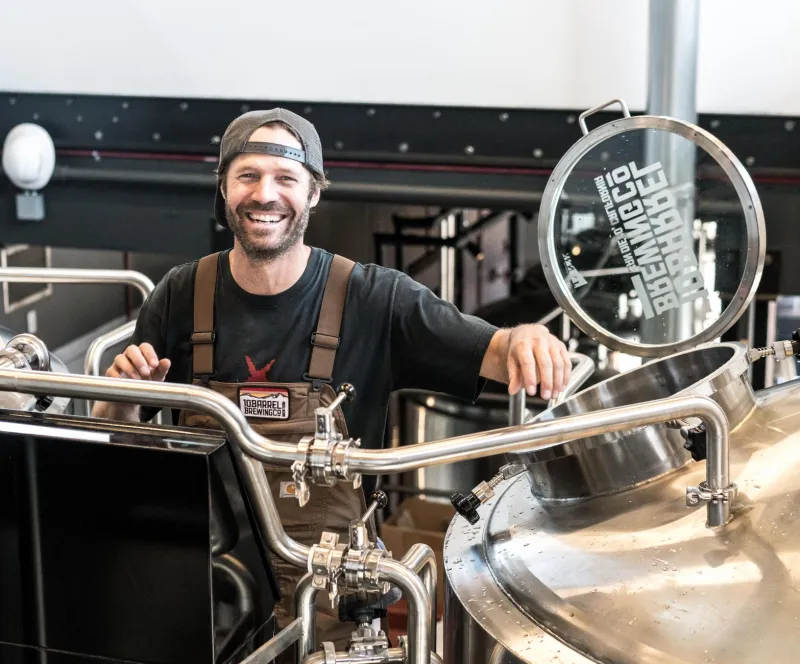
Phoenix summer brewing is not a battle against the weather so much as a negotiation with it. When the forecast says 112 by noon, every decision—from when you mash in to how hard you chill the wort—gets louder. The best local ales do not taste like struggle. They taste bright, dry, and clean, which means somebody made a lot of quiet, technical choices before the first pint was poured.
The Forecast Is a Brewing Variable
In most brewing towns, weather is background noise. Here, it is an input. Brewers watch overnight lows the way other people watch grain prices. A mash scheduled for 6 a.m. is not folklore; it is risk management. Knockout and cleanup happen before the taproom patio turns into a convection oven. Hoses stay shaded. Chill water gets pushed harder. Pumps and hoses get checked twice because heat finds weak points.
That timing matters in the glass. Wort that cools slowly can pick up unwanted character. Yeast pitched into a fermenter that is already too warm can throw solventy fusel alcohols and banana-heavy esters. Phoenix brewers avoid that by treating the brew day as a countdown, not a leisurely afternoon.
Water That Works Overtime
Desert water is its own character. Local brewers often start with reverse osmosis and build a mineral profile from there, because consistency is easier when you are not chasing seasonal changes in source water. Calcium chloride and gypsum get adjusted to push malt roundness or hop crispness. Mash pH gets watched closely. In a pale ale, a sulfate-leaning profile can make citrus and pine snap into focus. In an amber or brown ale, more chloride can keep toasted malt from tasting thin.
The goal is not to make every beer taste the same. It is to keep the water from adding a third, uninvited flavor. In a place where everything else is extreme, neutral consistency is a luxury.
Yeast With a Desert Constitution
Yeast selection is where a lot of desert brewing gets decided. Clean American ale strains are popular because they stay out of the way and finish dry. English strains can work, but they need tighter temperature control or they run fruity and warm. Some brewers experiment with kveik for certain releases, but not every ale benefits from a fast, hot fermentation. The point is matching the strain to the style and the tank, not chasing a trend.
Fermentation temperature control is non-negotiable. Jacketed fermenters and glycol chilling do the heavy lifting. Small breweries without that gear use temperature-controlled rooms, wraps, or carefully timed transfers. The target is steady, not dramatic. A pale ale fermented cool and clean tastes like grapefruit and cracker. The same beer allowed to run hot can taste like a Sharpie.
Fermentation Is Not a Set-and-Forget Job
A brewers’ joke says fermentation is just waiting. In Phoenix, it is waiting plus checking. Probes and thermometers get calibrated. Fermenters get checked at night. Brewers watch for the exothermic spike that happens when yeast is working hardest, because a tank that reads 68 in the morning can be 74 by evening. Pressure fermentation is one tool some use to suppress ester formation, but it is not a magic trick. It still requires a clean pitch, healthy yeast, and a plan.
Diacetyl rests and crash cooling get scheduled with the same care as the brew day. The result is an ale that finishes crisp instead of cloying, with no buttery slickness and no hot alcohol bite.
Brew Days Start Before Sunrise
There is a practical rhythm to desert brewing. Grain gets milled early. The mash tun gets filled while the air is still cool enough to stand next to it. Boil-off rates can shift with humidity, especially during monsoon season, so brewers keep notes and adjust. Whirlpool and knockout happen as fast as the equipment allows. Then the real work begins: cleaning, sanitizing, and getting the fermenter to pitch temperature before the day gets away.
It is not glamorous. It is the reason a Phoenix pale ale can taste like a cool morning even when it was brewed in July.
What It Tastes Like in the Glass
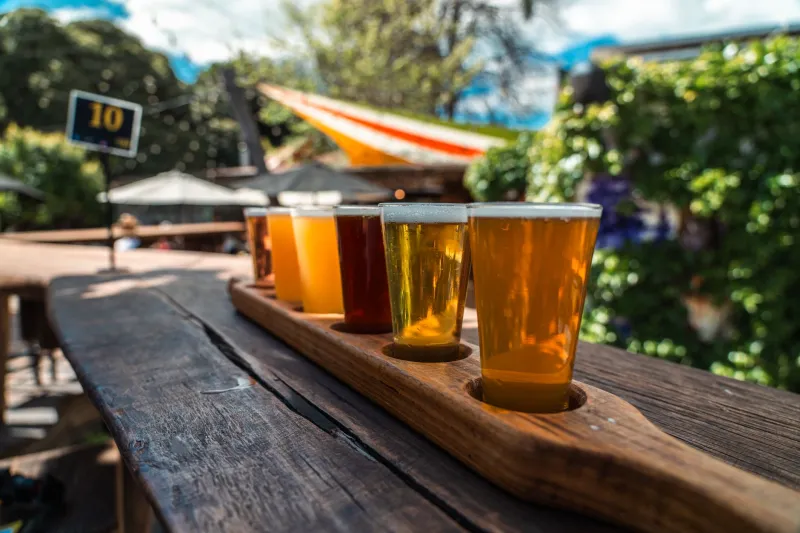
You can taste the process. A well-made Phoenix blonde ale shows cracker, honey, and a clean finish. A local pale ale leans citrus pith and pine, with carbonation that keeps it lively rather than sharp. Amber ales come across toasty and dry, not syrupy. Even a stronger ale can hide its alcohol behind a clean fermentation and a dry finish.
The tell is absence: no solvent, no cooked-fruit muddle, no lingering sweetness that makes you set the glass down after three sips. That is not luck. That is a brewer refusing to let 110 degrees get the last word.
The Takeaway
Good desert ale does not taste like heat. It tastes like control—early mornings, cold tanks, clean yeast, and water that was built rather than borrowed. In 2026, that is still the quiet craft behind the best pints in Phoenix.