The 11:47 Pint: What Phoenix Brewers Actually Drink When the Taps Go Quiet
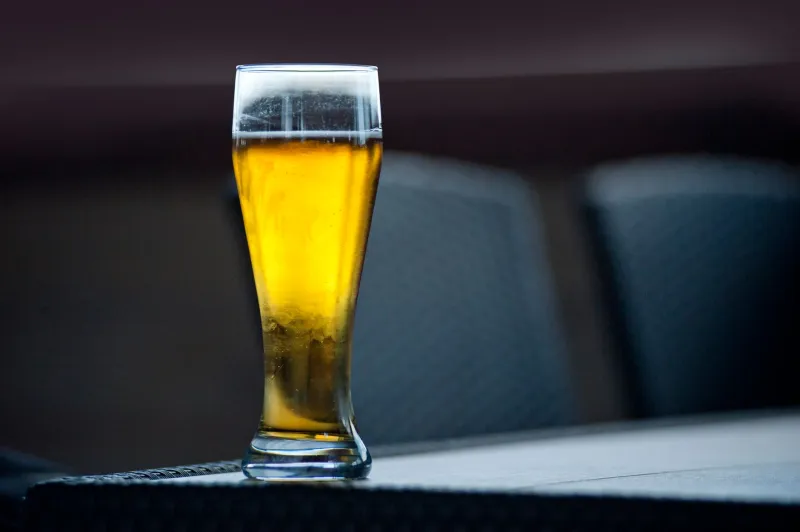
Last call in a Phoenix taproom rarely feels like a curtain drop. The patio lights stay low, the misters tick off, someone stacks stools with a soft clatter, and the register drawer makes its final count. Then comes the good part: the shift drink. Not the release-day pour with a photographer leaning in. Not the sample tray lined up for a distributor. Just a beer, chosen by someone who has been smelling beer since noon.
That last pint says more about Phoenix beer culture than most flagship labels do. It is where palate fatigue meets desert practicality, where hospitality workers stop selling and start settling in. Around town, the answer changes by neighborhood and season, but the pattern is steady: the beer that ends a Phoenix brewery shift tends to be cold, uncomplicated, and close to home.
The Shift Drink Starts Before the Shift Ends
Brewery work is a parade of small tastes. Cellar staff check carbonation. Taproom leads sample a new keg before it goes on line. Brewers pull a half-ounce from a fermenter, then another, then one more because the first two were not quite representative. By 11 p.m., many people who work around beer want something that does not ask for note-taking.
That does not mean they reach for the blandest thing in the cooler. It means they reach for a beer with a clear job: reset the palate, cool the body, and feel like a reward rather than a puzzle. In Phoenix, where a shift can include a 108-degree load-in and a 55-degree winter night on the same patio, that job changes with the calendar. Summer tends toward crisp lagers, Mexican-style lagers, Sonoran wheat ales, and anything with a clean finish. Winter opens the door to amber, porter, and a small pour of something barrel-aged—emphasis on small.
A taproom manager in Melrose described the shift drink as the one beer of the day that does not need a story. That is not anti-craft. It is pro-reality. After eight hours of explaining hop bills and malt bills, a quiet local ale can feel like the most honest thing on the board.
Amber Is the Quiet Consensus
Ask enough Phoenix brewery workers what they pour themselves and a theme emerges: amber. Not because amber is trendy, but because it is useful. It has enough malt to feel like a nightcap, enough hops to stay refreshing, and enough restraint to pair with whatever is left in the staff fridge. It is the style that tastes like a rented patio chair—familiar, low-stakes, and better than it needs to be.
The same goes for well-made local lagers and wheat ales. Phoenix brewers tend to talk about drinkability the way cooks talk about salt: not as a compromise, but as the thing that makes everything else work. A beer can be bitter, hazy, fruity, or barrel-aged and still fail the shift-drink test if it demands too much attention at the end of a long day.
This is where the local part matters. The beer that gets poured after service is often not the brewery's loudest release. It is the one made a few miles away, or the one a coworker traded for at closing, or the leftover can from a collaboration that never got a big push. Phoenix beer culture has a strong neighborhood streak, and the staff fridge is one of its clearest maps.
The Last Pint Is Often Not a Pint
There is a quiet heresy in the Phoenix shift-drink ritual: many brewery workers end the night with less alcohol, not more. A half pour. A low-ABV table beer. A nonalcoholic ale. A glass of water first, then a beer while the kitchen closes. The desert makes this practical. Heat and long shifts are a bad combination for a heavy nightcap, and hospitality workers are usually the first to admit that tomorrow's prep list does not care about tonight's enthusiasm.
Winter changes the mood without changing the logic. On a cold Phoenix night, a stout or porter can feel right, but it often comes in a small glass and gets shared. Barrel-aged ale is treated as a conversation piece, not a challenge. The post-shift ritual is less about proving endurance and more about easing out of work mode.
That is why the last pint often looks smaller than the first. It is a signal that the selling is over. The staff are no longer pace-setting for a table or describing a beer to a stranger. They are drinking the way locals do: slowly, with a ride home already sorted, and with one eye on the morning.
The Staff Fridge Is a Phoenix Beer Map
If you want to understand a city's beer scene, skip the menu for a minute and look at the staff fridge. In Phoenix, it is usually a mix of to-go cans, collaboration leftovers, local lagers, and a few bottles someone is saving for a special occasion that may never arrive. Brewers trade beer across town. Taproom staff bring back cans from road trips. Someone's homebrew appears with a masking-tape label.
The shift drink is where that informal economy becomes visible. It is not a marketing exercise. It is a small, repeated act of neighborliness. A brewery worker chooses a beer from another Phoenix producer because they know the people behind it, or because it is the thing that tastes right after a closing shift, or because it is what is cold and within reach.
In 2026, with more Phoenix taprooms than ever running tight schedules and shared staff, that informal network matters. The last pint is a handshake across the industry. It says: I see your work, I am tired too, and this is what I am drinking.
What the Last Pint Says
The shift drink is not glamorous. That is the point. Phoenix beer culture is often described through its releases, its taproom patios, and its ability to make a cold beer feel like a civic service. But the real texture shows up after last call, when the lights are half down and the staff pour something simple.
What they choose is usually local, usually balanced, and often smaller than you would expect. It is a beer that respects the desert, the shift, and the people still sitting at the bar. If the flagship release tells you what a Phoenix brewery wants to be known for, the 11:47 pint tells you what its people actually love. Around here, those are often the same thing—just quieter, colder, and not for sale.