The Warm Pint Heresy: Real Firkin Ale Is Finding a Home in Phoenix

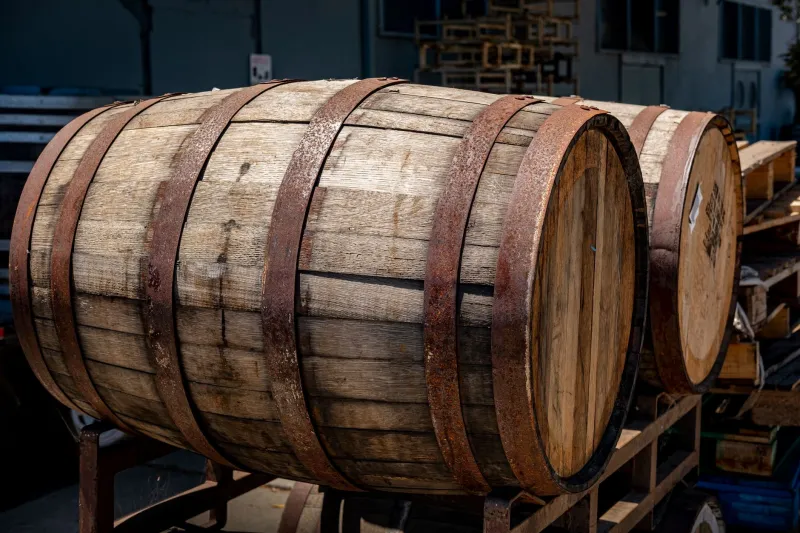
Photo by Photo by BENCE BOROS on Unsplash on Unsplash
There is a certain picture that comes to mind when someone says cask ale. A low ceiling. Rain on the windows. A hand pump with a brass collar and a bar towel draped over it. Phoenix does not have much of that picture. What Phoenix has is 108-degree afternoons, evaporative coolers, and a taproom scene that has spent the last decade learning to brew well in conditions that were never designed for beer.
Which is exactly why the firkin is worth talking about. Cask-conditioned ale is the least convenient format in the building. It is also, when it is handled right, one of the most expressive things a brewer can put in front of you. A small number of Phoenix brewers have decided that inconvenience is a feature.
What is actually inside a firkin
A firkin is a container, not a style. The classic size holds about nine gallons — roughly 72 pints — and it is the smallest of the traditional cask family. What makes it interesting is what happens after it is filled.
The beer goes in with live yeast still in suspension and a small amount of priming sugar. Secondary fermentation kicks off inside the vessel, building natural carbonation and scrubbing out rough edges along the way. The cask is vented so excess gas can escape, then tapped and served by gravity or through a hand pump. No CO2 tank. No nitro blend. No line pressure pushing the beer at you.
The result is a pint with roughly a third to a half of the carbonation you get from a standard draft pour. Low fizz means aromatics travel differently. It also means the malt has nowhere to hide. A cask ale that was rushed, oxidized, or brewed with a lazy grain bill will tell on itself in the first three sips.
Style-wise, you will mostly see this treatment applied to bitters, milds, dark English ales, and — increasingly — American pale ales and porters built for it. Hoppy casks exist, but the hop character reads as leaf and resin rather than bright citrus snap. That shift is the whole point, or the whole problem, depending on your palate.
Why Phoenix brewers are pulling casks out of the corner
Three things are happening at once.
First, the taproom economy has matured. A brewery with a pilot system and a loyal neighborhood following can afford to put nine gallons into a cask that will only be good for four or five days. That is a rounding error on a production schedule, and it doubles as an event. Announce the tapping. Sell it out. Do it again next month.
Second, differentiation. The Valley has no shortage of hazy IPAs, and drinkers who have spent five years chasing them are starting to look for texture instead of volume. Cask ale is a texture argument. It is soft, it is quiet, and it asks you to slow down — a genuinely contrarian pitch in a market built on cold and fast.
Third, and most practically, the brewers here are good at temperature control now. Ten years ago, cellaring a live product in Maricopa County meant hoping. Today it means a jacketed cold room, a thermometer on the wall, and someone whose actual job includes checking the cask twice a day.
The desert problem: heat, dry air, and a beer that keeps working
Cask ale is a living product, which makes it a climate problem. Traditional British cellars sit near 52 to 55 degrees. In Phoenix, ambient temperature in July can be double that. If a firkin is stored warm, secondary fermentation runs hot and fast, the beer overcarbonates, and you get a cloudy, yeasty, faintly sour pint that tastes like a mistake.
So local casks live in cold rooms, tapped and served within a narrow window. Brewers here tend to sit on the cooler side of the British range — closer to 50 than 58 — because a pint served at 55 in a room at 78 warms fast in the glass. You want it to rise, not arrive already tired.
Dry air is the underrated factor. Low desert humidity pulls moisture off the vented cask and off the beer in the glass. A cask that would last five days in Manchester might be sharper on day three here. Brewers compensate with tighter venting windows and faster turnarounds. Drinkers compensate by ordering a second half rather than a second pint.
Altitude is the least of it. Phoenix sits around 1,100 feet, which is not enough to change carbonation meaningfully. The heat is the whole story.
How to order, taste, and not offend the cask
A short field guide for the first-timer.
Ask when it was tapped. A cask is at its best somewhere between 24 and 72 hours after tapping. Day five is a coin flip. Any bartender proud of their cask will know the answer without checking.
Start with a half. If the taproom pours halves, take one. Cask ale changes as it warms, and you want to find the temperature where it sings before you commit.
Expect less fizz and more smell. The first sip will feel flat if you are calibrated to draft. Give it three. The aroma is coming from the malt and the yeast, not from a wall of CO2 pushing it up your nose.
Do not ask for a lemon, and do not ask for it colder. Both requests are legal. Both are also a polite way of saying you would rather be drinking something else.
Drink it before the plate of wings arrives. Cask ale plays badly with vinegar-heavy sauces and aggressively spicy food. Order it first, on its own, while it is still at cellar temperature.
If there is a sparkler, ask before it goes on. The little nozzle that creates a thick, creamy head is a regional English argument that has been running for decades. Phoenix brewers split on it. Either way, you are allowed to have an opinion — just not a loud one.
Where the firkins turn up
You will not find cask ale as a permanent line at most Valley breweries, and that is fine. Cask is a special-occasion format. It shows up at anniversary parties, at brewer-led tasting nights, at the occasional firkin tapping announced on a chalkboard rather than on social media.
The practical move is to ask. Ask at taprooms with a small pilot system. Ask the brewer at the bar whether they have ever casked anything. Ask what happens to the last few gallons of a batch they are particularly proud of. Cask programs in Phoenix grow from conversations, not from marketing plans.
And when you find one, drink it that week. That is not a limitation. That is the entire appeal — a beer that only exists for four days, in a city that usually insists everything be available on demand. The firkin does not care about your schedule. That is why it is worth your Saturday.