Slow Wood in a Fast-Hot City: The Case for Phoenix Barrel-Aged Ale
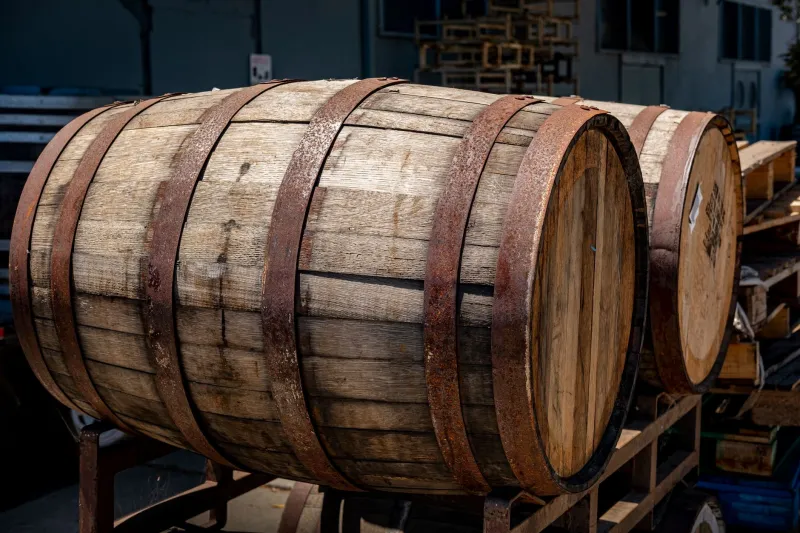
Barrel-aged ale in Phoenix sounds like a dare: take an expensive, strong beer, seal it in oak, and park it in a city where summer pavement can fry an egg. Yet small breweries around the Valley keep doing it. Not because it is easy. Because the heat changes the conversation between wood and beer, and the results can be worth the logistical migraine.
Why Bother Aging Beer in a Furnace
Barrel aging is about time, oxygen, and wood. In a cool cellar, those forces move slowly. The beer picks up vanilla, toast, char, and spirit character over months or years while controlled oxygen softens harsh edges and builds complexity. In Phoenix, brewers fight the opposite problem: too much activity, too fast. A barrel room here is less cellar and more sauna.
That is why local brewers tend to choose strong ales with enough malt and alcohol to stand up to oak. Barleywines, imperial stouts, Belgian-style dark strong ales, and occasional strong ambers show up in barrels. A delicate pale ale would be swallowed by the wood. A big beer can take the extraction, the oxidation, and the spirit character without losing its shape.
What 105 Degrees Does to Oak and Ale
Wood breathes. As temperature swings, a barrel expands and contracts, pushing beer into the staves on warm days and pulling it back on cool nights. In a non-climate-controlled warehouse, that cycle accelerates extraction of vanillin, tannins, and char. It also increases the angel's share—the beer lost to evaporation—and can push oxidation faster than a brewer wants. Heat can stress yeast if any is still active, and it raises the risk of unwanted microbes if the barrel is not clean.
The result is not automatically bad. It can be intense. A barrel that might take a year to round out in a cool climate may show strong oak and spirit notes in a few months here. Brewers respond with insulated rooms, chillers, small barrels, shorter aging windows, and relentless sampling. Some use stainless steel or foeders for part of the aging and blend in barrel character at the end. The heat is not ignored. It is managed.
The Logistics of Patience
Barrel rooms are real estate, and real estate in Phoenix is not cheap. A barrel takes up space, labor, and cash. It needs to be moved, filled, sampled, topped off, and eventually emptied. A single barrel might yield only a few kegs after evaporation and sampling losses. When a brewery is already squeezing every square foot for fermentation tanks and taproom seating, a barrel program is a commitment.
That is why the local barrel scene is small and determined. Brewers who do it tend to release barrel-aged ales as limited runs, often in bottles or small drafts. They blend barrels to hit a target flavor rather than dumping every barrel into one batch. In 2026, with ingredient costs and rent both stubborn, the math is tighter than ever. The breweries still doing it are doing it on purpose.
What to Expect in the Glass
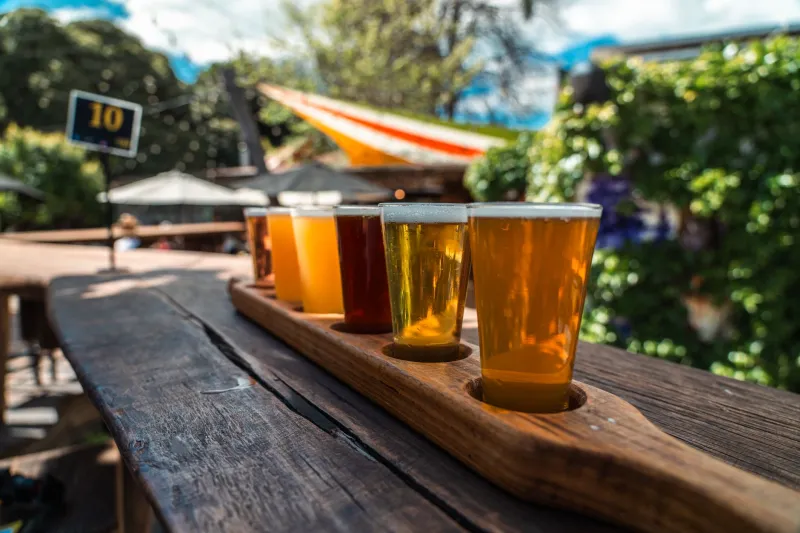
Expect vanilla, coconut, char, bourbon, dried cherry, leather, dark chocolate, and a warming finish. The heat can leave a little alcohol prickle, but it should not taste like a shot of whiskey with beer in it. Good barrel-aged ale integrates the spirit character into the malt. The wood should add depth and texture, not sandpaper. If the beer tastes like licking a burnt barrel stave, the extraction went too far.
Freshness matters here too. Barrel-aged ale is not always better after years in the bottle. Some bottles improve; others fade. Ask the brewery for release dates if you are buying to cellar. Store bottles cool and dark. In Phoenix, that means a closet or a wine fridge, not a garage shelf.
A Practical Tasting Guide for the Barrel-Curious
Serve barrel-aged ale at about 55 to 60 degrees Fahrenheit. Too cold and the oak and malt go quiet; too warm and the alcohol takes over. Use a tulip or snifter glass with a little room to breathe. Pour a small amount and let it sit for a few minutes. Smell it before you sip: vanilla and coconut usually come from the oak, while dried fruit and chocolate come from the malt and aging.
Compare a fresh strong ale with its barrel-aged sibling if you can find both. The fresh version shows the base beer; the barrel version shows what time and wood added. Pair barrel-aged ales with smoked brisket, aged cheddar, dark chocolate, or a churro if you are feeling local. The sweetness and fat in those foods can soften the alcohol and pull out the malt.
The Case for Stubbornness
Phoenix barrel-aged ale will never be the cheapest or easiest beer in the cooler. It is a stubborn pleasure in a city that rewards speed and cold drinks. But that is exactly why it is worth seeking out. The brewers who age beer here are not pretending the desert is a cellar. They are working with the heat, blending around it, and turning a logistical headache into something slow, oaky, and distinctly local.