The Desert Table Rules: Pairing Phoenix Ales With Sonoran Food
Sonoran food does not ask for a generic beer pairing. It asks for a table that can handle char, smoke, acid, chile heat, and the sweet edge of corn tortillas—sometimes in the same bite. In Phoenix, we have an advantage: the ales are brewed in the same heat and often with the same ingredients that show up on the plate. That makes the pairing less about rules and more about place.
Start With the Food, Not the Rule Book
The old advice to default to IPA with everything spicy is not wrong so much as lazy. Capsaicin likes carbonation, a little malt sweetness, and alcohol that does not bully the food. A hop bomb can work with rich, grilled meat, but it can also stomp all over a delicate citrus salad or a bowl of green chile stew. The better move is to ask what the dish needs: relief, contrast, or a bridge.
Relief comes from carbonation and a clean finish. Contrast comes from acid, smoke, or a touch of sweetness. A bridge means finding the ingredient that lives in both the food and the beer—mesquite smoke, desert citrus, roasted chile, local honey, or corn. Phoenix ales tend to offer plenty of bridges if you know where to look.
Why Phoenix Ales Fit Sonoran Food
Regional pairing works because local brewers are already tuning their beer to local tastes. A Phoenix amber built for warm-weather drinking tends to have enough malt to handle carne asada without turning syrupy. A citrus wheat brewed with desert-grown fruit can echo an aguachile without tasting like a candle. A cream ale designed for crushability can calm green chile heat without covering the pork and cumin underneath.
This is not about claiming that every Phoenix ale is made with Sonoran ingredients. It is about proximity and intent. Brewers here work with mesquite-smoked malt, local honey, prickly pear, citrus, and green chile because those flavors are part of the backyard. When the beer and the food share a vocabulary, the pairing feels less like a stunt and more like dinner.
The Pairings
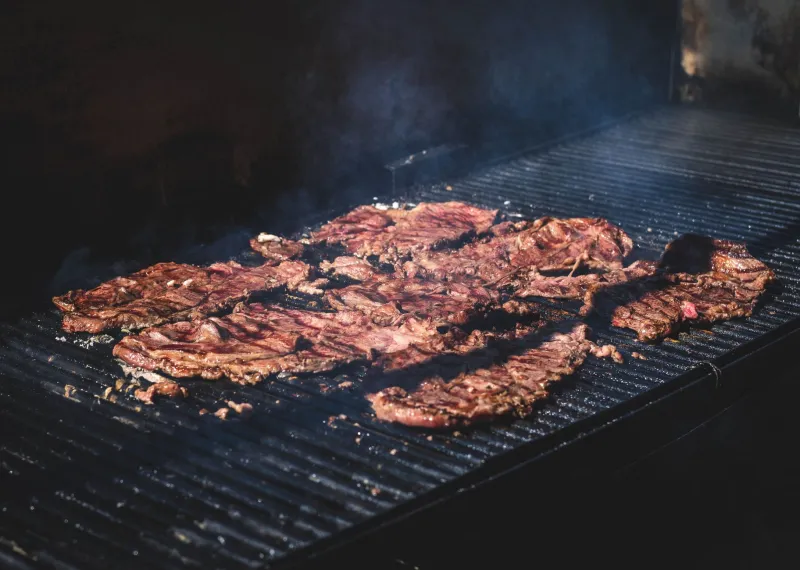
Mesquite-Grilled Carne Asada and Pollo
Reach for a local amber or brown ale. The malt sweetness meets the char from the grill, while a gentle roast note echoes the smoke without turning the meal into an ashtray. If the meat is dressed with lime and salsa, the beer's carbonation keeps the palate ready for the next taco. A rye pale ale also works when you want a little spice from the grain.
Green Chile Stew
A cream ale or blonde ale is the quiet hero here. You want carbonation to lift the richness of pork and potatoes, but you do not want a wall of hops fighting the green chile. A touch of malt sweetness is fine; a heavy dose of bitterness is not. If the stew is fiery, take smaller sips and let the beer do its job.
Citrus Salads and Aguachile
A citrus wheat ale or a dry saison is the right call. The beer's acidity and lively carbonation mirror the lime and grapefruit, while a soft malt body keeps the heat from building. Avoid anything aggressively bitter. This is a pairing where finesse beats horsepower.
Tacos: Al Pastor, Fish, and Carne
Al pastor likes a pale ale with enough body to handle pineapple and chile. Fish tacos want a citrus wheat or a light blonde with a clean finish. Carne asada tacos can go back to the amber. If you are ordering a mixed plate for the table, a prickly pear sour can cut through fried fish and rich queso without overwhelming either one.
Queso and Quesadillas
A straightforward pale ale or blonde ale works because carbonation scrubs the fat while the malt gives the cheese something to land on. Save the sour for the edges of the meal—an aperitif, a palate reset, or a splash with chips and salsa.
A Simple Host Menu for a 2026 Gathering
Keep the menu tight and let the beer do the entertaining. Start with a citrus salad, chicharrones with lime, and a prickly pear sour or citrus wheat. For the main event, set out mesquite-grilled chicken thighs, carne asada, warm corn tortillas, green chile stew, charred spring onions, and pinto beans. Pair the table with an amber and a cream ale, and put a rye pale ale near the salsa verde. Finish with cinnamon sugar buñuelos and a small pour of a local honey brown ale.
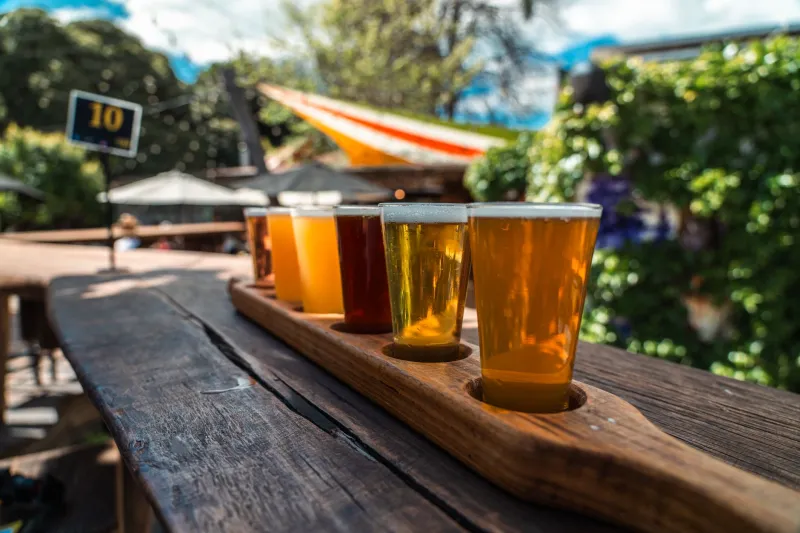
Serve four- to five-ounce pours so guests can move between beers without committing to a full pint. Keep water on the table. Label the beers with style and brewery so people can find them again. And do not over-chill the amber—slightly warmer temperatures let the malt and smoke show up.
Phoenix Ales to Seek Out
Look for styles rather than a single brand: a mesquite-smoked amber, a citrus wheat, a green chile cream ale, a prickly pear sour, a rye pale ale, and a local honey brown. Phoenix tap lists rotate, so ask the bartender what is freshest and what leans dry versus sweet. Wren House, Arizona Wilderness, Helton, Greenwood, The Shop, and Roses by the Stairs are all good places to start a conversation about local ales that can stand up to Sonoran food.
The best pairing is the one that makes you take another bite and another sip. In Phoenix, that usually means a beer with a sense of place—and a table with plenty of lime wedges.