Grown Three Hours Away: The Sonoran Wheat Turning Up in Phoenix Pints
For years, the wheat in a Phoenix brewhouse was an afterthought — a functional handful of grain tossed in to keep a haze stable or prop up the foam. It arrived from the Palouse, or from a broker's warehouse off I-10, and nobody asked it many questions.
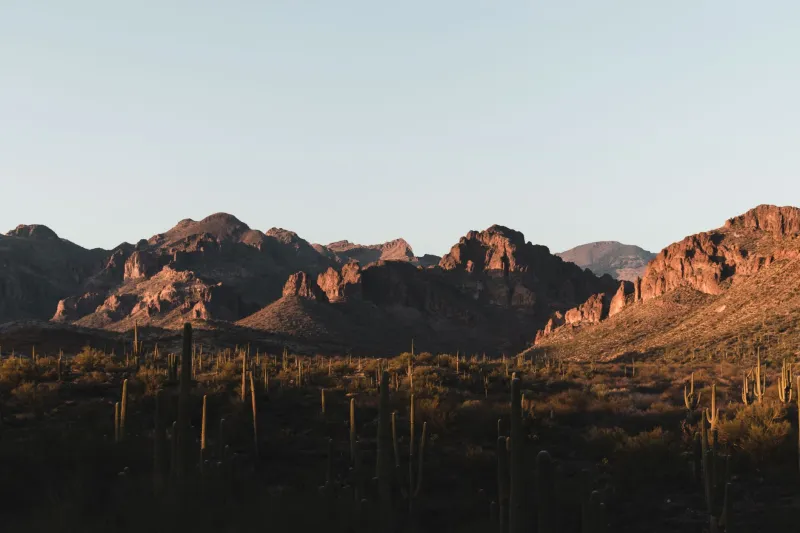
That's changed. In 2026, a growing number of Valley brewers can tell you the farm. They can tell you the harvest window, sometimes the field. The wheat in their mash grew up within a few hours' drive, on ground that sees less rain in a year than Seattle gets in February — and that turns out to matter in the pint.
A Grain That Already Knows the Rules
White Sonoran wheat isn't a brewing grain by design. It's a soft white wheat that has been grown in Arizona and the Santa Cruz Valley for generations, mostly for flour — the kind that ends up in tortillas, pastry, and anything a grandmother would approve of. It wasn't bred for maltsters. It was bred to survive here.
That's the whole argument. Sonoran wheat roots deep, finishes its cycle before the worst of the heat, and gets by on far less irrigation than the red wheats that dominate commodity supply. It's a crop that already understands the desert, which is more than you can say for a lot of the barley in the average mash tun.
Brewing-wise, it behaves like wheat usually does, only softer. Wheat carries no husk, so it brings body, haze, and foam-positive proteins without much tannic bite. Sonoran white wheat tends toward moderate protein and a gentle, doughy sweetness rather than the blunt cereal character of some hard wheats. Brewers using it describe the same thing over and over: a rounder mid-palate, a creamier head, a finish that dries out instead of sitting heavy.
The Short Supply Chain
Here's the part that gets brewers animated. Standard malt travels for months. Grain harvested in Arizona in late spring can be in a Phoenix mash tun by early summer — same crop year, sometimes same quarter.
"There's a freshness you can taste," one Mesa brewer told me this fall, and I rolled my eyes until I tried the beer next to a control batch made with commodity wheat. The local version was brighter, less dusty, more like fresh bread than stored flour.
It isn't as simple as hauling grain to the brewhouse. Wheat is a fussy thing to malt — no husk means a different steeping schedule, and the rootlets tangle into a mat that's harder to work. A few Valley brewers sidestep the issue entirely and use raw or flaked Sonoran wheat, which brings plenty of body but demands rice hulls in the lauter and a little patience.
Supply is also genuinely inconsistent. Yields swing, protein numbers wander from field to field, and the price premium over commodity wheat is real. That's why you'll see Sonoran wheat at 10 to 25 percent of the grist in most releases rather than dominating the bill.
Three 2026 Pours Worth Ordering
Saguaro Yard Ales — "Harina" Sonoran Wheat Ale (5.2%) The most direct expression of the idea: roughly 55 percent Sonoran wheat, split between malted and raw, hopped lightly and fermented clean. Pale straw, slightly cloudy, with a head that stands up like beaten egg white. Tastes like saltine crackers and lemon zest, and finishes drier than the color suggests.
Nine Mile Wash Brewing — "Acequia" Saison (6.1%) About a third Sonoran wheat in the grist, fermented warm and dry. The wheat here does structural work — it fills out the middle of a beer that would otherwise be all edges. White pepper, underripe pear, a whisper of hay, and a bone-dry close.
Alkali Flat Fermentory — "Summer Crop" Pale Ale (5.6%) The sleeper of the bunch. Twenty percent Sonoran wheat under a generous dry hop, and the grain softens what could have been a sharp, pithy beer into something rounder and more drinkable. Grapefruit, a little mango, and a creamy texture that keeps the bitterness from getting loud.
What to Look For in the Glass
Order one of these and you'll start noticing a family resemblance.
- Color: Pale straw to light gold. Raw-wheat versions run hazier; malted versions can be nearly clear.
- Foam: This is the tell. Sonoran wheat builds a dense, meringue-like head that holds and laces the glass.
- Aroma: Bread dough, uncooked flour tortilla, a faint lemon-blossom lift, sometimes a flicker of white pepper.
- Palate: Soft entry, medium body, a creamy middle third. The alcohol is usually modest, but the beer doesn't read thin.
- Finish: Dry and slightly tart, with a clean grain echo rather than sweetness.
And a couple of things that signal a problem. If you get a raw, pasty dough note that coats the tongue, the wheat was likely under-modified or the grist was pushed too far. If a sulfur edge lingers, ask how cold it was fermented. Neither is a dealbreaker — but neither is what a good version tastes like.
Serve it around 45 to 48 degrees in a tulip or a nonic, and drink it fresh. Wheat ales fade faster than people think.
Ask the Question
The easy way to keep this going is simply to ask. When you're at a taproom and there's wheat in the beer, ask where it came from. Two years ago that question got a shrug. In 2026, more often than not, you'll get a name, a farm, and a story about the harvest — and that's a better answer than a broker's catalog number.