Ten Ounces Is a Full Thought: The Case for the Smaller Phoenix Pour
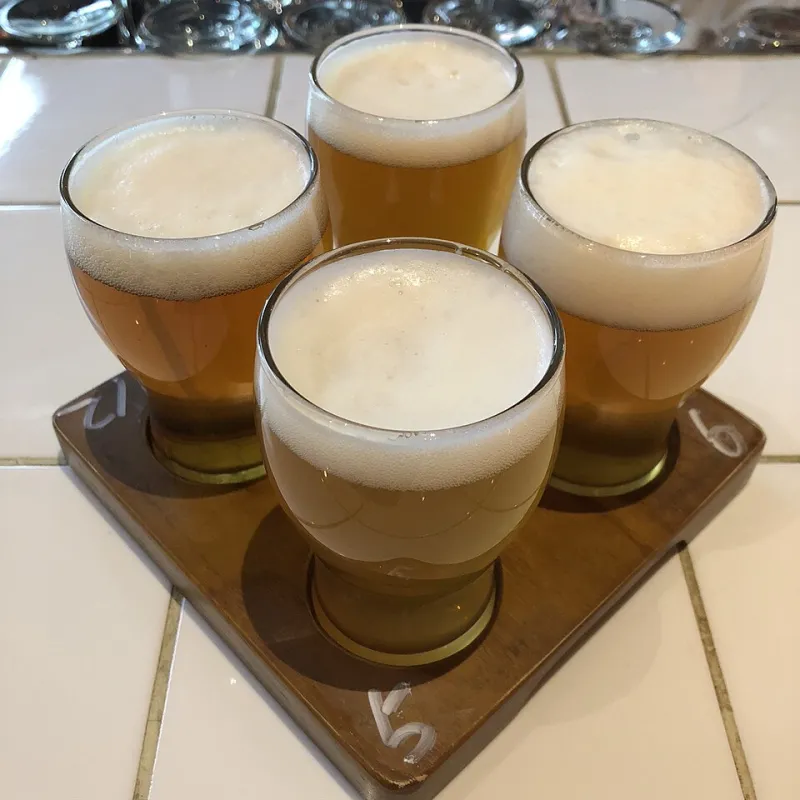
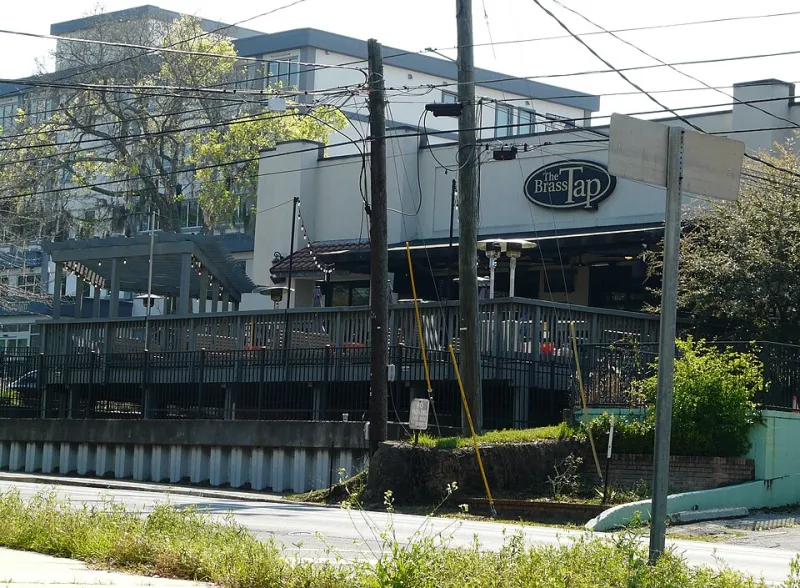
Photo: Wanderstheworld, CC BY-SA 4.0, via Wikimedia Commons
The default beer order in Phoenix is still a pint. It is a sturdy American habit: sixteen ounces, a full glass, a round for the table. But stand at a taproom bar on a warm November afternoon — or, worse, in July — and watch what the people who work there pour for themselves. More often than not, it is the short glass. The ten-ounce. The half-pour. The modest little tulip that looks like a compromise and drinks like a decision.
That is the case here: in Phoenix, the small pour is not indecision. It is better pacing, better flavor attention, and a better taproom session. The pint has its place. It just should not be the automatic setting.
The pint is a habit, not a law
A sixteen-ounce pint became the American default for plenty of practical reasons, but beer culture has changed around it. Phoenix taprooms now pour barrel-aged stouts, double IPAs, strong saisons, mixed-culture ales, and spirit-barrel projects that ask for a different kind of attention. A ten-ounce pour of a 12% barleywine is a full experience. A pint can be a commitment that outlasts the conversation.
The bartenders I have asked around town tend to say the same thing: people order with their eyes on the tap handle, not on the ABV board. Then the glass sits. In a city where the sun can turn a patio table into a griddle, that is not just a flavor problem. It is a pace problem. A smaller pour keeps the beer closer to its intended temperature and keeps the drinker closer to the next good decision.
One longtime Phoenix barkeep put it plainly: the short pour is how you stay in the room. Not because you are nursing a sample tray, but because you are actually drinking the beer while it is still the beer the brewer meant you to taste.
Heat rewards a shorter glass
Phoenix drinking is desert drinking. Even in our cooler months, a shaded patio can warm a pint faster than a drinker expects. Condensation runs, the head falls, and a delicate pilsner or dry-hopped pale ale starts to taste flatter before the glass is halfway gone. Ten ounces gives you a better window. You get the cold first sip, the aromatic middle, and the finish before the sun has had its way.
There is also the simple arithmetic of alcohol. Phoenix has no shortage of high-ABV releases, and taproom culture here rewards curiosity. A flight is good for reconnaissance, but four-ounce samples can be too small to show a beer’s arc. A ten-ounce pour is the sweet spot: enough volume to judge aroma, body, carbonation, and finish, but not so much that your palate — or your afternoon — gets worn out.
A brewer at a south Phoenix production space told me he would rather see someone take a ten-ounce pour of the barrel-aged release and really sit with it than watch a pint go warm on the bar. That is not a sales pitch. It is quality control from the drinker’s side of the glass.
Ten ounces is enough to pay attention
There is a quiet pleasure in ordering a small pour and not treating it like a sample. You are not ticking a box. You are not rushing through a lineup. You are giving one beer your full attention: the way the aroma shifts as it warms, the way the malt sweetness lands, the way the bitterness shows up at the end. A pint can blur those details. Ten ounces keeps them in focus.
This matters more in Phoenix than in a lot of beer towns because our taprooms are social rooms. People linger. They bring dogs. They meet neighbors. They order food. A smaller pour fits that rhythm. You can have a second beer later without turning a casual catch-up into a marathon. You can split a strong release with a friend and still have room for a lower-ABV palate cleanser. You can stay for the conversation instead of the cleanup.
The small pour also has a conversation dividend. A ten-ounce glass invites a second round of something different. A pint often invites a nap. The goal is not sobriety theater or some grim rule about moderation. The goal is a longer, better session in a city that is very good at making afternoons stretch out.
How to build a small-pour session without looking like you are stuck on a sample tray
Start with intention. Pick a low-ABV opener — a pilsner, a wheat, a blonde, a session pale — and order the ten-ounce. Drink it like a beer, not a taste. Then choose your next move.
A few practical guidelines:
- Order the short pour by name. Ask for the ten-ounce, the half-pour, or the small glass. Many Phoenix taprooms list one on the menu; some will pour it even if it is not printed. If the only option is a pint, split it with someone or choose a lower-ABV beer.
- Use flights for reconnaissance, not the whole afternoon. Three four-ounce samples can help you choose. They are not a session plan. Pick the winner and order a ten-ounce pour of it.
- Keep high-ABV beers at the end. A strong barrel-aged ale or double IPA deserves the short glass and the last slot. Start with the beer that will not knock the afternoon off its rails.
- Put water and food in the rotation early. A pretzel, tacos, a Sonoran dog — Phoenix taprooms are full of good reasons not to drink on an empty stomach. The small pour works best when it is part of a table, not a solo sprint.
- Sit in the shade. This sounds obvious. It is also the difference between a ten-ounce pour that stays bright and one that turns into sun tea.
- Do not call it a sample if you mean a beer. There is a difference between a four-ounce taste and a ten-ounce pour. The bartender knows it. Your palate will too.
The doctrine, minus the dogma
None of this is an argument against the pint. A cold pint after a trailhead, a long night with friends, a shared pitcher on a cool evening — those are good Phoenix rituals. But the pint should be a choice, not a reflex. In a city with this much strong beer, this much heat, and this many good taprooms to linger in, the ten-ounce pour is the more thoughtful default.
Order the small glass. Sit with it. If you want another, order another. That is not hesitating. That is pacing. And in Phoenix, pacing is how you make a good beer afternoon last.